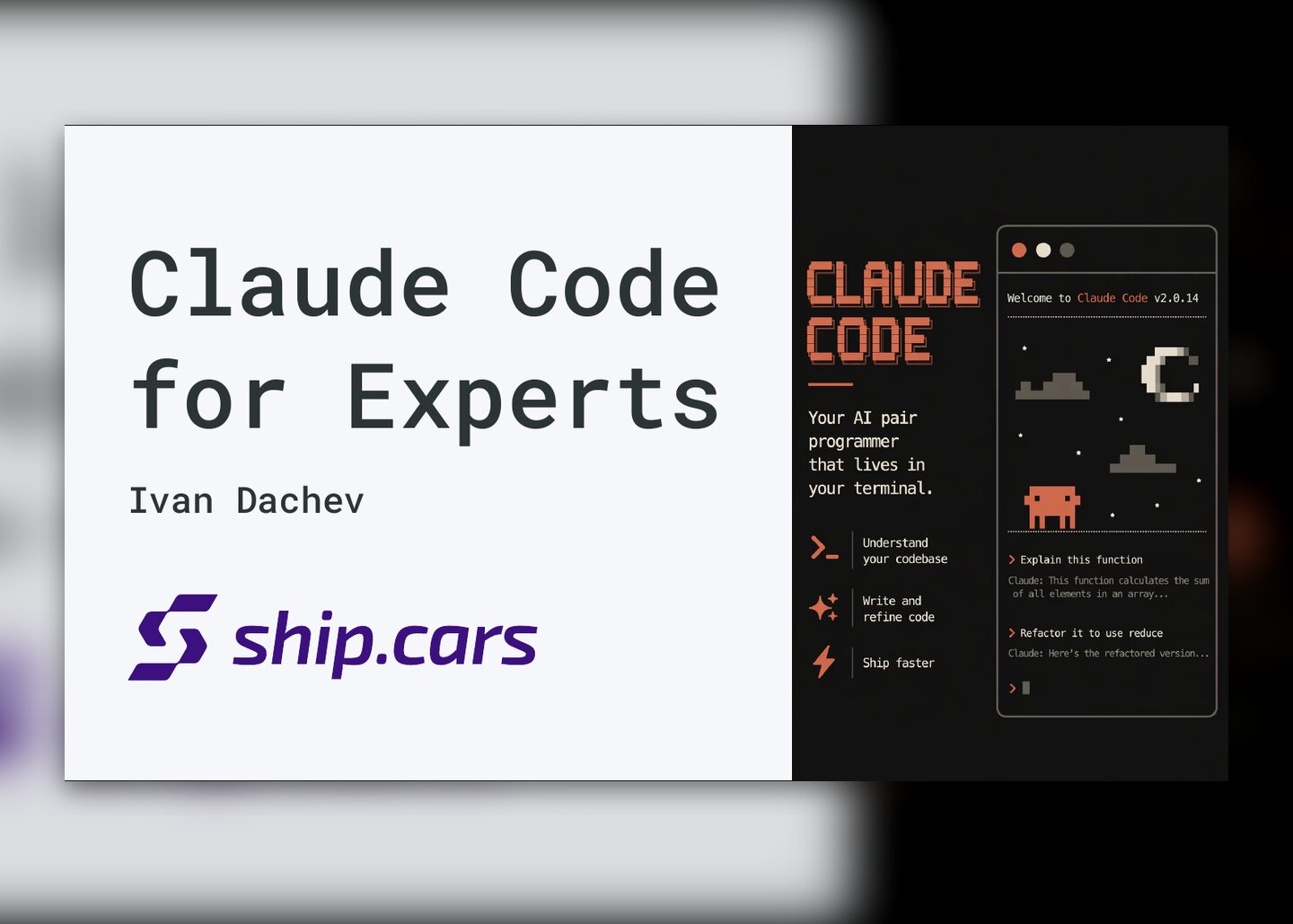
On April 29, 2026, I spoke at the BASSCOM AI Conference 2026 in Sofia, at Inter Expo Center. The conference was a full day of hands-on AI for about 500 attendees: a special keynote from Anthropic and six sessions with real tools and practices from the industry, no abstract debates.
My session was Claude Code for Experts: advanced techniques for people who already use Claude Code every day and want to get more out of it.
The Slides
You can go through the whole presentation here:
What I Covered
The talk had three parts: the toolbox, the coding workflow, and a set of smaller hacks.
The Toolbox
- Agents – from chat to autonomous development: plan, code, review, refine, with parallel subagents doing the tasks.
- Skills and rules – reusable playbooks. They load automatically when they are relevant, or you call them with a slash command. Some are bundled, some are your own, some come from the community.
- Subagents – each one has an isolated context, its own prompt, tools and permissions.
- MCP servers, plugins and the marketplace – how to extend Claude Code and share what works.
- Context management – the context window is the scarce resource, so treat it like one.
The Coding Workflow
The core of my daily work is one loop: Plan → Code → Review → Refine.
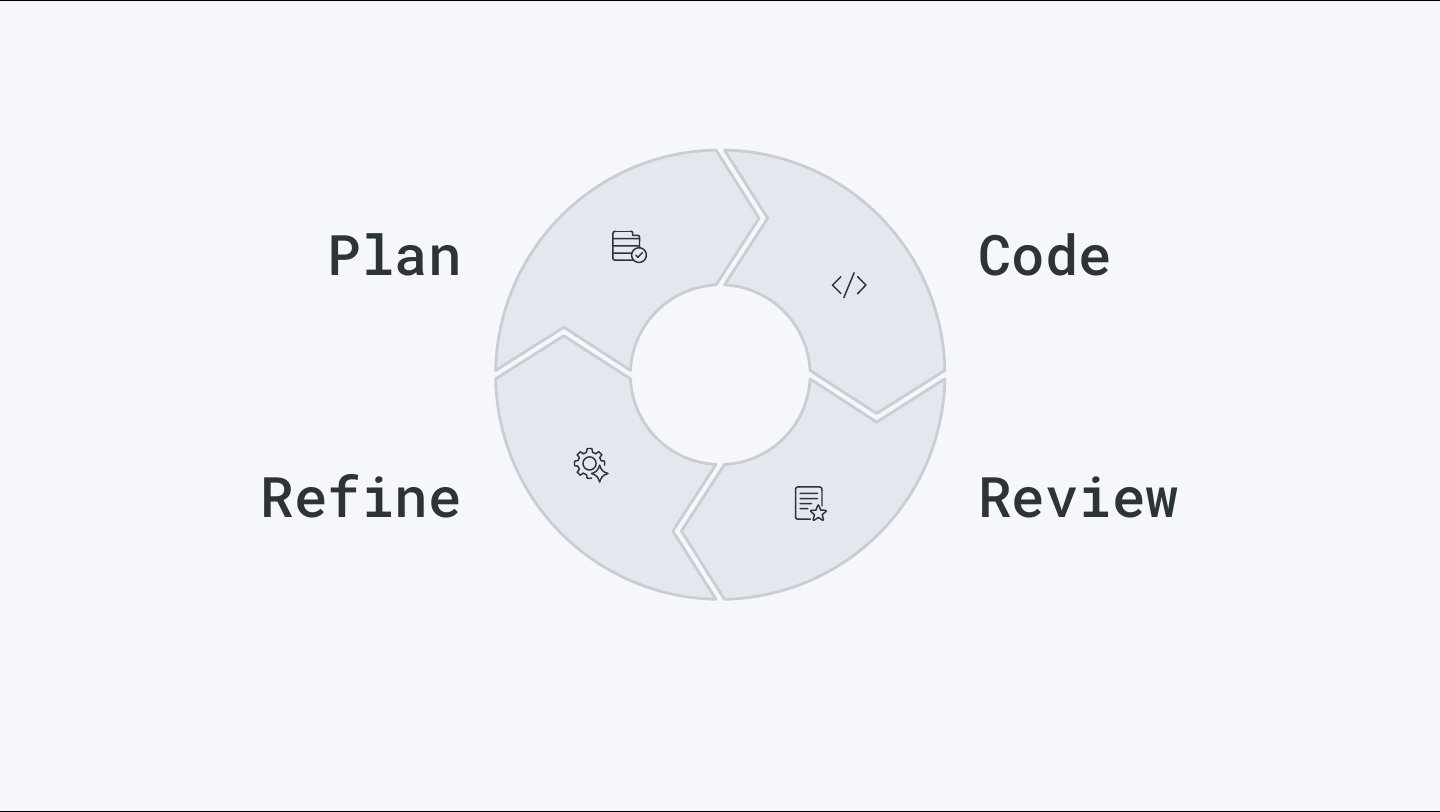
Planning is a conversation, not a single prompt. I give the agent a task. The agent asks about the open questions and I answer them. Then it builds the first plan and reviews it itself.
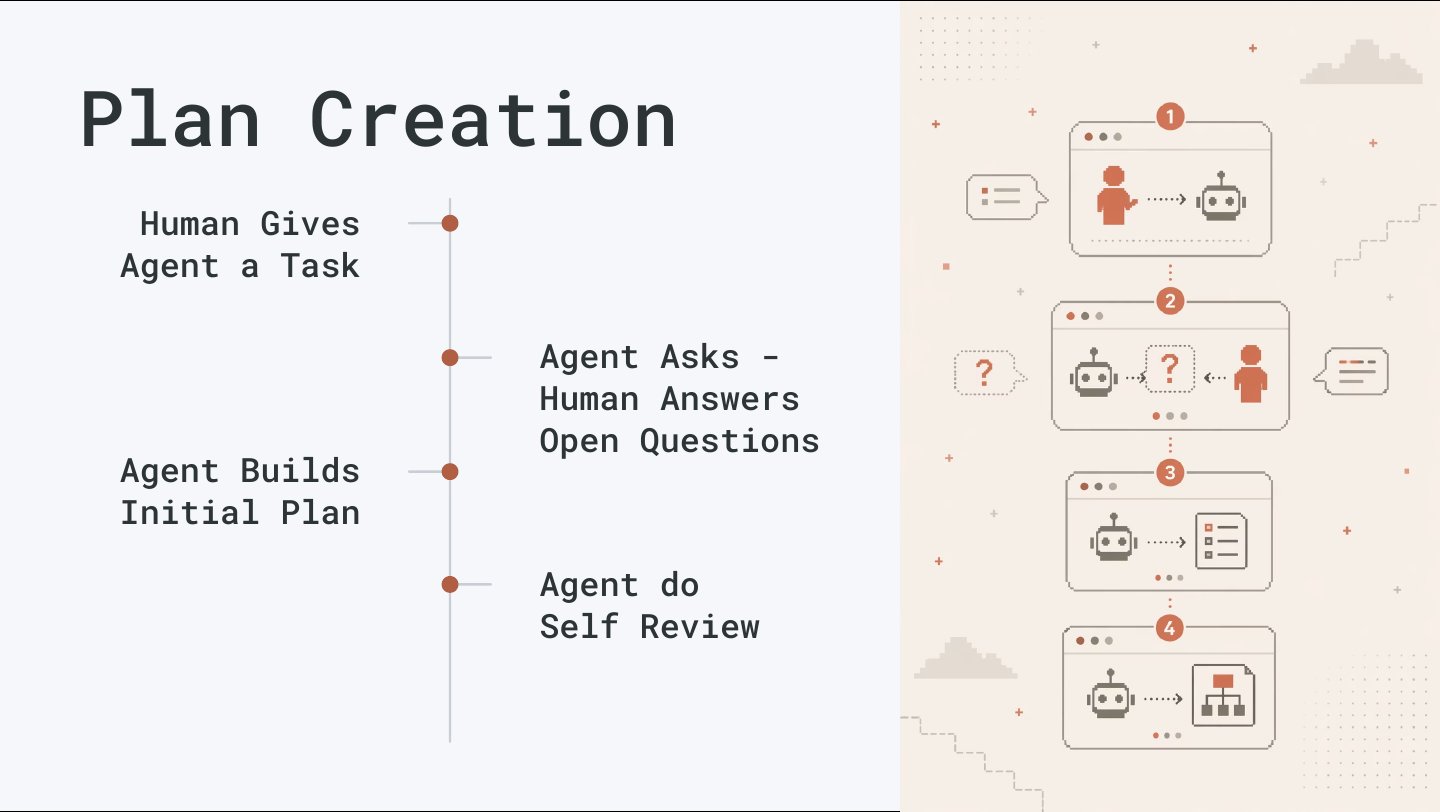
After that comes the plan review. The AI shows its findings, I decide what is real, and the AI fixes the issues. Only then does the code start.
A few tools help a lot here:
- Superpowers skills – brainstorming, writing plans and systematic debugging.
- Beads – persistent, git-native task memory across sessions, with a dependency-aware queue of “ready” tasks. It survives context compaction.
- TDD – red, green, refactor. A failing test first gives the agent a check it can run.
Put together, this becomes a full SDLC workflow that the agent can drive almost end to end:
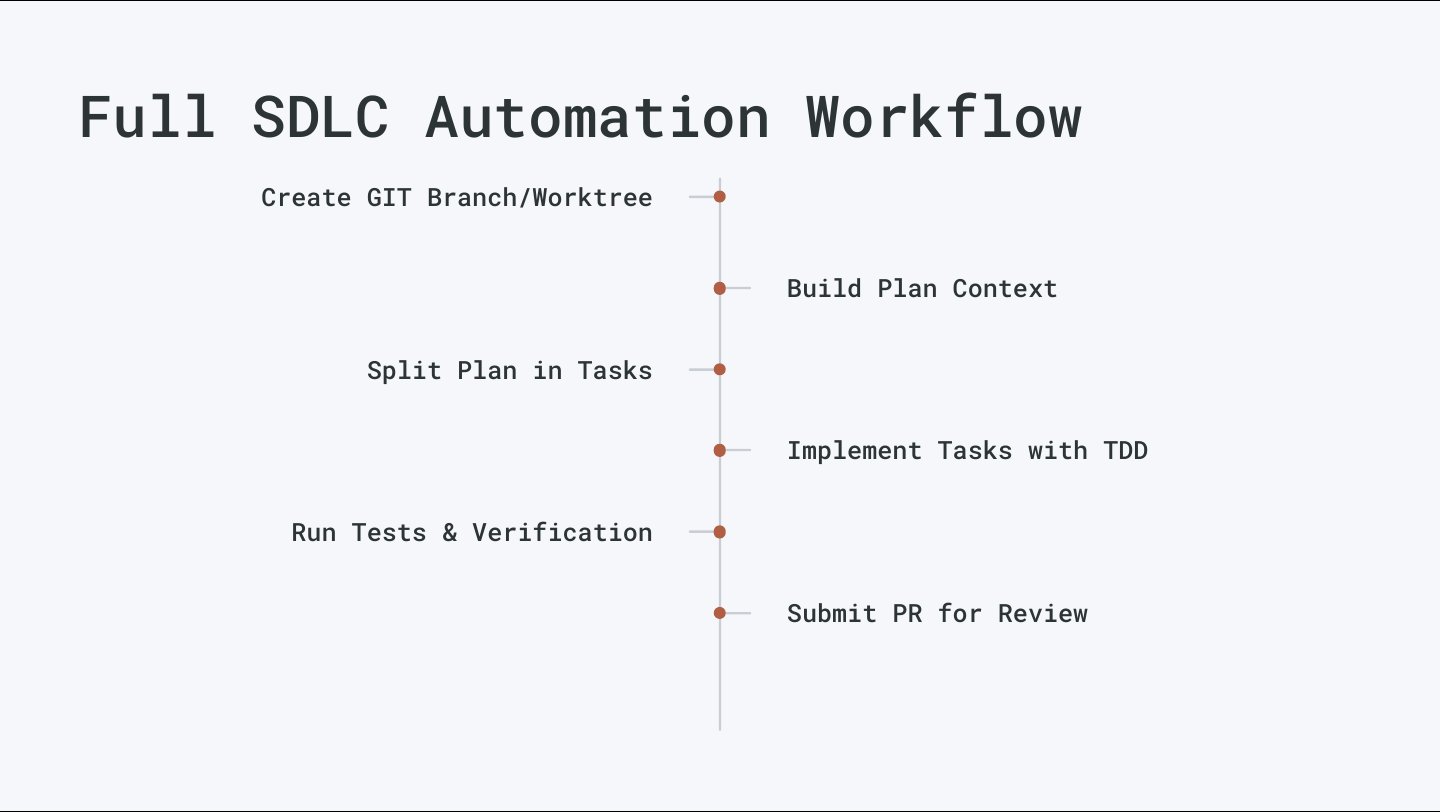
- Create a git branch or worktree.
- Build the plan context.
- Split the plan into tasks.
- Implement the tasks with TDD.
- Run the tests and the verification.
- Submit a pull request for review.
I also showed worca, an orchestrator that runs this pipeline with several agents. The code is on GitHub: SinishaDjukic/worca-cc.
More Hacks
- Rename your sessions, so you can find and resume them later.
- Use a status line – model, context usage and git branch, always visible.
- Keep your user Claude config in git –
~/.claudewith your skills, hooks and settings. - RTK – reduces the context that bash output takes.
- Know your context window – Context Window Insights in the Claude Code docs.
Thanks
Thank you to BASSCOM and to everyone who came and asked questions. It was a great day with a lot of practical talks from the other speakers too.